Painting Metal Siding on House: A Comprehensive Guide
Embarking on the journey of painting metal siding on a house opens up a world of possibilities to transform and enhance the exterior aesthetics. From preparation to maintenance, every step plays a vital role in achieving a flawless finish that will stand the test of time.
As we delve deeper into the nuances of painting metal siding, you will discover essential tips, techniques, and insights to elevate your home's curb appeal with a fresh coat of paint.
Preparation

Before painting metal siding on a house, it is essential to gather the necessary tools and materials and properly prepare the surface for painting.
Tools and Materials Needed:
- Pressure washer
- Bucket
- All-purpose cleaner or mild detergent
- Scrub brush or sponge
- Primer suitable for metal surfaces
- Exterior paint suitable for metal
- Paint roller or sprayer
- Paint tray
- Painter's tape
- Drop cloths or plastic sheeting
- Safety goggles and gloves
Importance of Preparing the Metal Siding Surface:
Properly preparing the metal siding surface is crucial for a successful paint job. It helps ensure better adhesion of the paint, enhances the durability of the finish, and improves the overall appearance of the house.
Steps for Cleaning the Metal Siding:
- Start by removing any dirt, dust, or debris from the siding surface using a broom or brush.
- Use a pressure washer to thoroughly clean the metal siding. Work from top to bottom, using a mild detergent or all-purpose cleaner to help remove any grime or grease.
- Rinse the siding with clean water to remove any remaining soap residue.
- If there are any areas with mold or mildew, apply a mixture of water and bleach, scrub with a brush, and rinse thoroughly.
- Allow the metal siding to dry completely before moving on to the next steps of priming and painting.
Priming

Priming is a crucial step when painting metal siding as it helps improve adhesion, enhances durability, and provides a uniform surface for the paint to adhere to. Without proper priming, the paint may not adhere correctly to the metal surface, leading to peeling, chipping, or bubbling over time.
Types of Primers for Metal Surfaces
Primer for metal surfaces comes in various types, each designed to address specific needs and conditions. Some common types of primers suitable for metal siding include:
- Zinc-based primers: Ideal for galvanized metal surfaces, these primers provide excellent corrosion resistance.
- Epoxy primers: Known for their strong adhesion properties, epoxy primers are suitable for bare metal surfaces and provide a durable finish.
- Rust-inhibiting primers: These primers are formulated to prevent rust formation on metal surfaces and are great for older or rust-prone siding.
Application Process of Primer on Metal Siding
Priming metal siding involves several key steps to ensure proper adhesion and long-lasting results. The application process typically includes the following steps:
- Clean the metal siding thoroughly to remove dirt, dust, and any existing paint or coatings.
- Apply the primer using a brush, roller, or sprayer, following the manufacturer's instructions for the specific primer used.
- Allow the primer to dry completely before applying the paint to ensure proper adhesion and a smooth finish.
- Inspect the primed surface for any imperfections or areas that may need additional priming before proceeding with the paint application.
Paint selection

When it comes to painting metal siding on your house, choosing the right type of paint is crucial for a successful and long-lasting finish. Here are some tips and insights to help you make the best paint selection for your exterior metal siding.
Difference between oil-based and latex-based paints
Oil-based paints are known for their durability and ability to provide a smooth finish on metal surfaces. They are resistant to wear and tear, making them suitable for high-traffic areas. On the other hand, latex-based paints are easier to clean up with water, have low odor, and dry faster than oil-based paints.
When choosing between the two, consider the climate and weather conditions in your area, as well as the level of maintenance you are willing to commit to
Selecting paint colors for exterior metal siding
When selecting paint colors for your exterior metal siding, consider the style of your home, the surrounding landscape, and any existing elements such as the roof color or landscaping. Neutral colors like white, beige, or gray are timeless and versatile choices that can complement various architectural styles.
If you want to add a pop of color, consider shades of blue, green, or even red, but make sure they harmonize with the overall aesthetic of your home. Remember to also take into account how the color may appear in different lighting conditions throughout the day.
Application
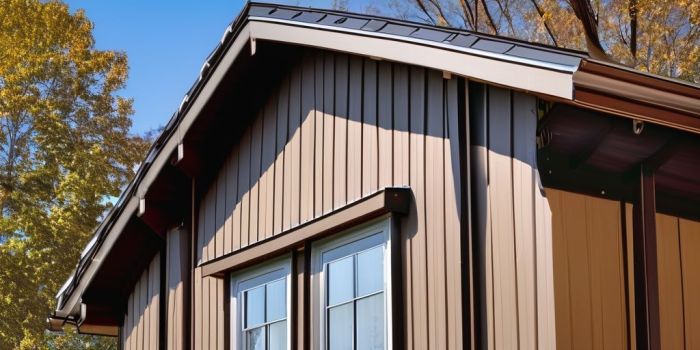
When it comes to painting metal siding on a house, the application process plays a crucial role in achieving a smooth and long-lasting finish. Proper techniques and tools are essential for a successful paint job.Experienced painters often recommend using a paint sprayer for applying paint on metal siding.
A paint sprayer can evenly distribute the paint, ensuring a uniform coating on the surface. It is essential to maintain a consistent distance from the siding and move the sprayer in a steady motion to avoid drips or uneven coverage.Alternatively, a roller can also be used for painting metal siding.
A high-quality roller can help achieve a smooth finish and is particularly useful for larger surface areas. When using a roller, make sure to work in small sections and overlap each stroke to prevent visible roller marks.For detailed areas or trim work, a brush may be necessary to ensure precision and coverage.
A high-quality brush designed for exterior painting can help reach tight corners and edges, providing a clean and professional look.
Ideal Weather Conditions
When painting metal siding on a house, it is crucial to consider the weather conditions for optimal results. The ideal weather for painting metal siding is a dry and mild day with moderate temperatures. Avoid painting on extremely hot or cold days, as it can affect the paint's drying time and adhesion.Additionally, painting should be done when there is no direct sunlight on the siding to prevent the paint from drying too quickly, which can lead to uneven coverage or blistering.
Choose a day with low humidity to ensure proper drying and adhesion of the paint to the metal surface.Overall, following these best practices for application and considering the ideal weather conditions can help you achieve a professional-looking finish when painting metal siding on your house.
Maintenance

After painting your metal siding, it's important to follow a regular maintenance routine to ensure the paint stays looking fresh and vibrant for years to come.
Spotting and Repairing Chipping or Peeling Paint
If you notice any chipping or peeling paint on your metal siding, it's crucial to address it promptly to prevent further damage. Here's how you can spot and repair these issues:
- Inspect your siding regularly for any signs of chipping or peeling paint.
- Use a wire brush to remove any loose or flaking paint from the affected area.
- Apply a coat of primer to the bare metal to ensure proper adhesion of the new paint.
- Repaint the area with a matching paint color to seamlessly blend it with the rest of the siding.
Tips for Extending Paint Lifespan
To prolong the lifespan of the paint on your metal siding, consider the following tips:
- Regularly clean your siding with a mild detergent and water to remove dirt and debris that can deteriorate the paint.
- Avoid using harsh chemicals or abrasive materials that can damage the paint finish.
- Inspect your siding annually for any signs of wear and tear, and address any issues promptly.
- Consider applying a clear coat sealant over the paint to provide an extra layer of protection against the elements.
Outcome Summary

In conclusion, painting metal siding on a house is not just a task, but an art form that requires attention to detail and dedication. By following the guidelines laid out in this guide, you can ensure a durable and visually appealing finish that will leave your home looking brand new.
Answers to Common Questions
What tools and materials are needed for painting metal siding on a house?
Tools and materials include paint sprayer, primer, paint roller, metal paint, cleaning solution, and protective gear.
How do I choose the right type of paint for metal siding?
Consider factors like weather resistance, durability, and the existing color of the siding when choosing paint for metal surfaces.
What is the ideal weather for painting metal siding on a house?
The ideal weather conditions for painting metal siding include temperatures between 50-85 degrees Fahrenheit and low humidity levels.