Tips for Painting Metal Siding on a House
Embarking on the journey of painting metal siding on a house requires careful planning and execution. From selecting the right tools to mastering the painting techniques, this guide dives deep into the intricacies of transforming your home's exterior. Get ready to discover the secrets to a flawless finish that will elevate the look of your house.
As you delve into the world of painting metal siding, you'll uncover essential steps and expert tips that will empower you to tackle this project with confidence. Let's explore the art of painting metal siding on a house together.
Preparation

Before painting metal siding on a house, it is essential to gather the necessary tools and materials, clean and prep the surface, choose the right type of paint, and prepare the metal siding surface properly.
Essential Tools and Materials
- Pressure washer or hose
- Bucket
- Mild detergent or cleaner
- Scrub brush
- Primer specifically designed for metal
- Exterior paint suitable for metal surfaces
- Paint roller or sprayer
- Paintbrush
- Drop cloths
- Painter's tape
- Safety goggles and gloves
Importance of Cleaning and Prepping
Cleaning and prepping the metal siding surface is crucial as it removes dirt, grime, and any existing paint that may affect the new paint's adhesion. This ensures a smooth and long-lasting finish.
Choosing the Right Type of Paint
When painting metal siding, it is essential to choose a paint specifically formulated for metal surfaces. This type of paint provides durability, weather resistance, and proper adhesion to the metal, ensuring a lasting finish.
Steps to Prepare the Metal Siding Surface
- Start by cleaning the metal siding using a pressure washer or hose to remove dirt and debris.
- Mix mild detergent or cleaner with water in a bucket and scrub the siding using a scrub brush to remove any remaining grime.
- Rinse the siding thoroughly and allow it to dry completely before proceeding.
- Apply a primer designed for metal surfaces to ensure proper adhesion of the paint.
- Once the primer is dry, apply the selected exterior paint using a paint roller or sprayer for an even finish.
- Touch up any missed spots with a paintbrush and allow the paint to cure according to the manufacturer's instructions.
Priming

Before painting metal siding, priming is a crucial step to ensure a smooth and long-lasting finish.
Types of Primers
There are different types of primers suitable for metal surfaces:
- Oil-based primers: provide excellent adhesion and rust protection.
- Acrylic primers: quick-drying and offer good flexibility.
- Zinc-based primers: ideal for preventing rust formation on metal surfaces.
Benefits of Using Primer
Using primer on metal siding has several benefits compared to painting directly:
- Enhanced adhesion of the paint to the metal surface.
- Increased durability and protection against rust and corrosion.
- Improved color retention and overall finish.
Applying Primer Effectively
The process of applying primer to metal siding involves the following steps:
- Clean the metal surface thoroughly to remove any dirt, rust, or debris.
- Apply the primer using a brush, roller, or sprayer, following the manufacturer's instructions.
- Allow the primer to dry completely before applying the paint.
Painting Techniques

When painting metal siding on a house, there are various techniques that can be used to achieve a smooth and durable finish.
Brushing
- Brushing is a traditional method of painting metal siding that allows for precise application and control.
- Use high-quality paintbrushes designed for metal surfaces to ensure even coverage.
- Apply paint in long, smooth strokes to prevent brush marks and achieve a uniform finish.
Rolling
- Rolling is a faster painting technique that covers larger areas more quickly than brushing.
- Choose a high-quality roller cover suitable for metal surfaces to ensure proper adhesion and coverage.
- Roll paint in overlapping sections to avoid streaks and ensure an even coat.
Spraying
- Spraying is ideal for large metal siding surfaces and provides a smooth, professional finish.
- Use a paint sprayer specifically designed for metal applications to achieve the best results.
- Adjust the spray pattern and pressure to control coverage and avoid overspray.
It is essential to apply multiple coats of paint to metal siding for enhanced durability and longevity. Each coat adds an extra layer of protection against the elements, ensuring that the paint will last for years to come.
To achieve a smooth and even finish when painting metal siding, make sure to properly prepare the surface, use high-quality paint and tools, and follow the recommended painting techniques. Take your time and work methodically to avoid drips, streaks, or uneven coverage.
Weather conditions can significantly impact the painting process, especially when painting metal siding. Avoid painting on extremely hot or cold days, as extreme temperatures can affect the paint's drying time and adhesion. Choose a dry, mild day with moderate temperatures for the best results.
Maintenance and Care
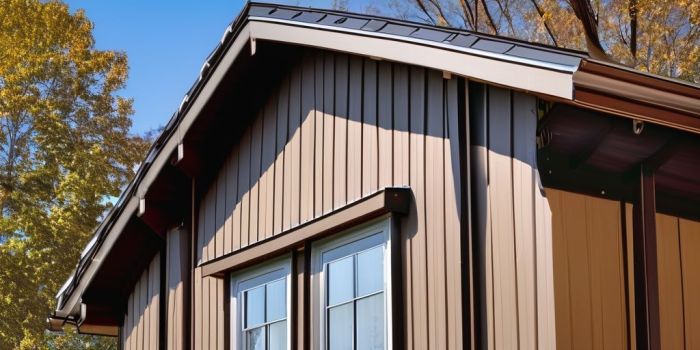
Proper maintenance of painted metal siding is essential to ensure its longevity and keep it looking fresh. By addressing common issues like chipping, peeling, or fading paint promptly, you can extend the life of your siding and maintain its aesthetic appeal.
Regular cleaning and occasional repainting are key components of caring for painted metal siding.
Addressing Common Issues
- Chipping Paint: To address chipping paint, sand down the affected area to remove loose paint, prime the spot, and then repaint with a matching color to blend seamlessly.
- Peeling Paint: If you notice peeling paint, it's crucial to remove the loose paint, sand the area, prime, and repaint to prevent further peeling.
- Fading Paint: Fading paint can be revitalized by cleaning the surface thoroughly and applying a fresh coat of paint to restore the color vibrancy.
Cleaning Recommendations
- Regular Cleaning: Use a mild detergent and water solution to clean painted metal siding, rinsing thoroughly with water to remove any residue.
- Avoid Harsh Chemicals: Steer clear of abrasive cleaners or chemicals that could damage the paint finish on the siding.
- Pressure Washing: If using a pressure washer, ensure it's set at a low pressure to prevent paint damage and aim at a downward angle to avoid water getting behind the siding.
Repainting Considerations
- Visual Inspection: Assess the condition of the paint regularly to determine when it's time for repainting, especially if you notice significant chipping, peeling, or fading.
- Timing: Consider repainting metal siding every 5-10 years, depending on the climate and exposure to elements in your area.
- Preparation: Before repainting, clean the surface thoroughly, address any issues like rust or damage, prime the siding, and apply a fresh coat of paint for optimal results.
Closing Notes

In conclusion, painting metal siding on a house is not just a task but a creative endeavor that can breathe new life into your home. By following the guidelines Artikeld in this comprehensive overview, you can achieve a stunning transformation that will leave your house looking fresh and vibrant for years to come.
Take the first step towards revitalizing your home with a fresh coat of paint on its metal siding today.
FAQs
How important is surface preparation before painting metal siding?
Surface preparation is crucial as it ensures proper adhesion of the paint and enhances the durability of the finish.
What are the common issues that can arise with painted metal siding?
Common issues include chipping, peeling, or fading paint, which can be addressed with proper maintenance.
Why is it necessary to apply multiple coats of paint on metal siding?
Multiple coats improve durability and longevity, ensuring a more robust finish that can withstand outdoor elements.